















Plant-derived exosomes are transforming the way we think about nutrition, cellular communication, and whole-body wellness. Long before supplements or advanced therapies existed, nature designed its own sophisticated delivery systems and many of them are found in the foods we eat every day. Plant-derived exosomes are gaining attention as a natural, food-based way to support cellular communication and whole-body wellness.
Fruits, vegetables, and herbs do more than provide vitamins and minerals. They also contain microscopic messengers capable of carrying powerful plant-based compounds into human cells. These messengers, known as plant-derived exosomes (PDEs), are gaining attention for their potential to support cellular balance, reduce inflammation, and enhance nutrient delivery at a deeper biological level.
Most people are familiar with exosomes as naturally occurring vesicles that help cells communicate by transporting proteins, lipids, and genetic material. But plant-derived exosomes offer a unique, non-animal alternative — one that is naturally stable, bioavailable, and compatible with the human body.
So what exactly are plant-derived exosomes, and why are they becoming such an exciting focus in regenerative and longevity-focused wellness? Let’s explore.

Table of Contents
What Are Plant-Derived Exosomes?
Plant-derived exosomes (often abbreviated as PDEs) are naturally occurring extracellular vesicles released by plant cells, particularly those found in fruits, vegetables, and medicinal herbs. These microscopic structures serve as the plant’s own communication system, packaging and protecting valuable plant compounds so they can be delivered efficiently.
What makes plant-derived exosomes especially compelling is what they carry. PDEs can transport phytonutrients such as antioxidants, lipids, proteins, and plant microRNAs — all of which play important roles in cellular health. Remarkably, these vesicles are resilient enough to survive digestion, allowing their contents to remain intact as they pass through the gastrointestinal tract and interact with human cells.
Unlike exosomes sourced from animal or human tissues, plant-derived exosomes are naturally non-toxic, non-immunogenic, and vegan-friendly. Their plant origin also makes them highly scalable and stable, offering a practical and accessible option for individuals seeking natural cellular support without invasive procedures.
Because of these properties, plant-derived exosomes are being actively studied for their potential role in supporting immune balance, gut health, inflammation regulation, and overall cellular communication — all through pathways the body already understands.
Why Exosomes Matter
Exosomes are microscopic vesicles released by cells to facilitate communication throughout the body. They act as biological messengers, transporting proteins, lipids, peptides, and genetic material that influence how recipient cells function, adapt, and respond to their environment.
Rather than acting as active agents themselves, exosomes help coordinate cellular behavior, playing an important role in processes such as inflammation regulation, tissue repair, immune signaling, and cellular maintenance. Because they are part of the body’s natural communication network, exosomes work in harmony with existing biological pathways.
This ability to deliver complex biological signals in a targeted, efficient way is what has made exosomes a growing focus in regenerative and longevity-focused research, and why they are increasingly being explored as tools for supporting cellular health.

What Makes Plant-Derived Exosomes Different?
While all exosomes serve as cellular messengers, plant-derived exosomes (PDEs) stand apart because of their origin, stability, and accessibility. Instead of coming from human or animal cells, PDEs are harvested from whole plants such as fruits, vegetables, and medicinal herbs, foods the human body already recognizes and utilizes.
One of the most compelling differences is resilience. Plant-derived exosomes are naturally designed to protect their contents through harsh environments, including digestion. This allows them to deliver concentrated phytonutrients — such as antioxidants, lipids, and plant microRNAs — in a protected, bioavailable form.
Plant-derived exosomes are also:
- Naturally non-toxic and non-immunogenic
- Vegan-friendly and ethically sourced
- Highly stable and scalable
- Well-suited for daily wellness support
Because PDEs originate from food-based systems, they offer a more accessible and regulatory-friendly approach to exosome-based nutrient delivery. Many researchers now view them as nature’s own liposomal delivery system, capable of enhancing how plant compounds interact with human cells.
This unique combination of biological compatibility and delivery efficiency is why plant-derived exosomes are quickly becoming a focal point in wellness, longevity, and regenerative-inspired nutrition.
Potential Benefits of Plant-Derived Exosomes
As research into plant-derived exosomes continues to expand, scientists are uncovering a growing range of ways these naturally occurring vesicles may support whole-body wellness. Because PDEs work through cellular communication rather than forceful intervention, their potential benefits are often described as supportive rather than corrective.
Current areas of interest include:
- Immune modulation
Plant-derived exosomes may help support balanced immune signaling, encouraging appropriate immune responses without overstimulation. - Inflammation regulation
By delivering concentrated phytonutrients at the cellular level, PDEs are being studied for their ability to help calm chronic, low-grade inflammation associated with aging and modern lifestyles. - Gut and digestive health
Because plant-derived exosomes can survive digestion, they are of particular interest for supporting gut lining integrity, microbiome balance, and nutrient absorption. - Skin and tissue support
PDEs are being explored for their potential role in skin vitality and cellular renewal, making them increasingly relevant in aesthetic and longevity-focused wellness. - Systemic cellular wellness
By enhancing how plant compounds are delivered and utilized, plant-derived exosomes may support overall cellular resilience and metabolic health.
For example, early studies involving ginger- and grape-derived exosomes suggest potential roles in reducing oxidative stress and supporting immune tolerance. While research is ongoing, these findings highlight why plant-derived exosomes are gaining attention as a natural evolution in plant-based supplementation.
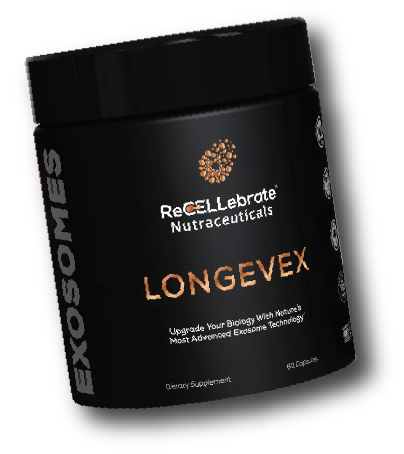
LONGEVEX™: Plant-Derived Exosomes for Daily Cellular Support
As interest in plant-derived exosomes continues to grow, LONGEVEX™ has emerged as one of the first commercially available supplements formulated to deliver these naturally occurring vesicles in a concentrated, bioavailable form.
LONGEVEX™ is designed around the science of plant-derived exosomes, leveraging nature’s own delivery systems to help transport phytonutrients at the cellular level. Rather than relying on isolated vitamins or synthetic compounds, this approach focuses on how nutrients are packaged and communicated within the body — an important distinction in modern longevity and wellness science.
Because plant-derived exosomes are naturally stable, non-toxic, and food-based, LONGEVEX™ fits easily into a daily wellness routine. It is often explored as a way to simplify supplementation by supporting cellular communication, inflammation balance, and overall systemic wellness through a single, plant-based formulation.
At ReCELLebrate, we view products like LONGEVEX™ as part of a broader, personalized wellness strategy — one that emphasizes thoughtful integration, scientific curiosity, and long-term cellular health rather than quick fixes.
Exploring Plant-Derived Exosomes with ReCELLebrate
At ReCELLebrate, we focus on bridging the gap between emerging science and real-world wellness. As interest in plant-derived exosomes continues to grow, our approach remains grounded in education, transparency, and evidence-informed care.
Led by Dr. Jeff Gross, a recognized expert in regenerative and longevity-focused medicine, our team helps individuals explore innovative tools — including plant-derived exosomes — as part of a personalized, whole-body wellness strategy. Rather than chasing trends, we evaluate how new approaches may fit into long-term cellular health, inflammation balance, and sustainable vitality.
If you’re curious about how plant-derived exosomes or products like LONGEVEX may support your health goals, we’re here to guide you with clarity and care.
Contact ReCELLebrate today to learn more about plant-based cellular support and how thoughtful, science-driven wellness strategies can help you live beautifully longer.